Polyphenols are a group of natural components that can have tremendous benefits for human bodies. This plant-oriented family is good at antioxidant properties and anti-inflammatory works. Here are several powerful effects of polyphenols and some ingredients we can get from dietary supplementations.
Antioxidant activity
As mentioned polyphenols are super-powerful chemicals thatthat neutralize poisonous foreign substances, such as free radicals generated by stresses. This antioxidant activity can directly protect cells from many oxidative agents and damage, and this is associated with a reduced risk of chronic diseases.
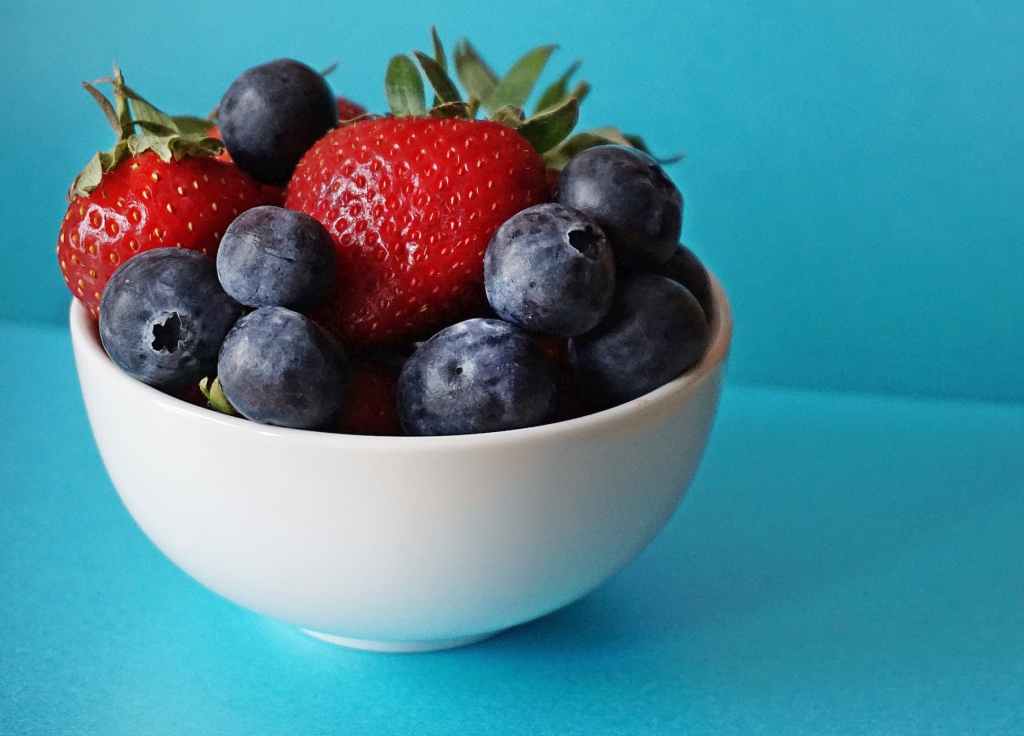
Through the research on measuring antioxidant activity, FRAP(Ferric Reducing Antioxidant Power) methods are used, and the total polyphenol-rich content of commonly consumed foods (1). On the average, vegetables and pulses are ranked with high levels of polyphenols. Food products such as fennel, red cabbage, strawberries, and buckwheat groats, good sources of polyphenols that impact antioxidant potential, should be recommended for frequent consumption.
For this major property, polyphenol-rich food found in red wine, dark chocolate, and berries have been linked to improving cardiovascular health. Consuming this food regularly in your dietary plan may help lower blood pressure, reduce cholesterol levels, and get rid of oxidative stresses on blood vessels.
Anti-inflammatory effects
Of course, with the antioxidative things, polyphenols have anti-inflammatory properties, helping to deal with chronic inflammation in the body. This inflammation could be in the heart tissue, blood vessel, sometimes in the intestine and stomach, and even certain types of cancers. These natural organic compounds antioxidant property to provide protection against many diseases linked to reactive oxygen species (ROS).
Many studies have been carried out so far and have suggested that polyphenols can block tumor growth and induce apoptosis in cancer cells. Intake of polyphenols through a well-balanced diet can eliminate ROS and help prevent cancer (2). Various subclasses of polyphenols, such as flavonoids, lignans, stilbenes, and phenolic acids, are currently spotlighted for their chemopreventive effects involved in cancer treatments. Cruciferous vegetables and red grapes have potential to inhibit the growth of cancer cells and even prevent tumor formation.
Diabetes managements
Cinnamon and apples have natural regulators to affect blood sugar levels and insulin sensitivity. Several animal models and a limited number of human studies have shown that polyphenols decrease hyperglycemia and improve acute insulin secretion and insensitivity (3). These phenomena are due to a decrease in glucose absorption in the gut, inhibiting carbohydrates from being digested. Polyphenols are good at modulating glucose release from the liver, activation of insulin receptors, and glucose uptake in insulin-sensitive tissues as possible mechanisms.
Weight loss is another weapon of polyphenols. Weight management provides a good option for type 2 diabetics. Polyphenols may help with weight loss by increasing metabolism and reducing appetite. Green tea’s polyphenol can boost fat burning in the mitochondria. And berries control appetite.
Neuroprotective properties
Polyphenols in green tea have been studied for their potential to protect brain cells. Stress-relieved brain cells improve cognitive function and reduce the risk of neurodegenerative diseases, such as Alzheimer’s and Parkinson’s disease.
Polyphenols may be found in various foods around us. By incorporating a variety of these foods into your diet, you can ensure a diverse intake of polyphenols, which are associated with various health benefits due to their antioxidant and anti-inflammatory properties.
References
1) Malgorzata E. Zujko &Anna M. Witkowska. Antioxidant Potential and Polyphenol Content of Selected Food. International Journal of Food Properties, 14:300–308, 2011.
2) Sharma, Ashita; Kaur, Mandeep; Katnoria, Jatinder K.; Nagpal, Avinash Kaur. Polyphenols in Food: Cancer Prevention and Apoptosis Induction. Current Medicinal Chemistry, Volume 25, Number 36, 2018, pp. 4740-4757(18).
3) Naheed Aryaeian, 1 ,* Sara Khorshidi Sedehi, 2 and Tahereh Arablou 2. Polyphenols and their effects on diabetes management: A review. Med J Islam Repub Iran. 2017; 31: 134.

 쪼약 조수진
댓글 남기기