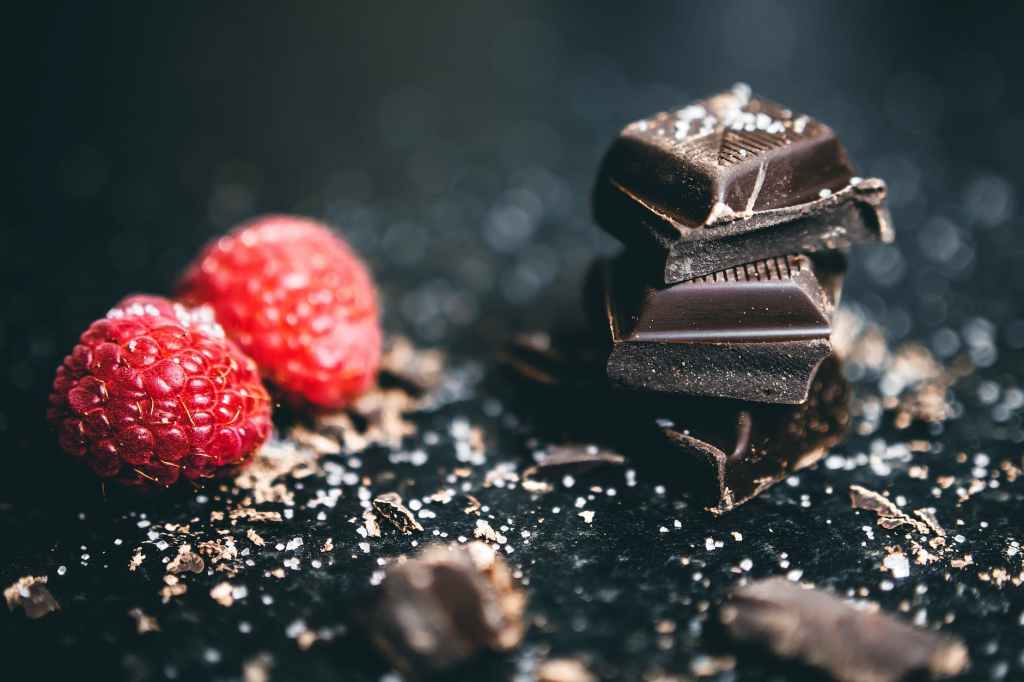
Today, I prepared some juicy foods for your blood vessels. There are good veggies and desserts we can eat for meals. I brought you the best 4 foods to lower blood pressure with much scientific evidence. No time to chat, so let’s take a look.
Beet
Beetroot is a powerful nitrate supplement that might help to control blood pressure, even for those who are diagnosed and treated with drugs. The beetroot juice may lower blood pressure and may reduce any kinds of cardiovascular diseases. There is a study on 30 healthy men and women, which is a double-blind, randomized, placebo-controlled, crossover study (1). Volunteers received 500 g of beetroot and used a blood pressure monitor system. There was a trend to lower systolic blood pressure after drinking beetroot juice. About 4-5 mmHg reduction showed in systolic blood pressure.
Beetroot juice or beet supplements might reduce blood pressure, probably through nitrates (2). Beets have highly concentrated nitrates. When nitrates go into the digestive system, they turn into nitric oxide, N O. NO reaches blood vessels and relaxes them. Widen blood vessels lower pressure.
Beets also have betalains, natural pigments, anti-inflammatory, antioxidant, immunomodulatory, and anticancer activity (3). If you have a history of kidney stones, eating beet must be cooked due to high oxalate content. Beets are easily found and very cheap. Drinking just one cup of beetroot juice decreases the risk of hypertension and other cardiovascular events. Hence, supplements are out there to promote blood tension for individual tastes.
1) Leah T Coles & Peter M Clifton. Effect of beetroot juice on lowering blood pressure in free-living, disease-free adults: a randomized, placebo-controlled trial. Nutrition Journal volume 11, Article number: 106 (2012)
2) Diego A. Bonilla Ocampo, Andrés F. Paipilla,Estevan Marín,Salvador Vargas-Molina,Jorge L. Petro and Alexandra Pérez-Idárraga. Dietary Nitrate from Beetroot Juice for Hypertension: A Systematic Review. Biomolecules 2018, 8(4), 134
3) Yu Fu 1 2, Jia Shi 3, Si-Yi Xie 1, Ting-Yi Zhang 1, Olugbenga P Soladoye 4, Rotimi E Aluko 5. Red Beetroot Betalains: Perspectives on Extraction, Processing, and Potential Health Benefits. J Agric Food Chem. 2020 Oct 21;68(42):11595-11611.
Tomato
Vegetables such as tomato and its component, lycopene, have been evaluated in lowering blood pressure. The exact mechanisms are not fully understood, but the antioxidant properties of lycopene are believed to play a role. Dietary lycopene is a carotenoid compound associated with a lower risk of cardiovascular disease (4). The lycopene is a powerful antioxidant and lowers total cholesterol levels, maintaining healthy blood vessels. It may enhance the production of nitric oxide and improve endothelial function, which leads to lower blood pressure. Some studies suggest lycopene may have an inhibitory effect on angiotensin-converting enzyme (ACE), which plays a role in regulating blood pressure.
Whole tomato also contains lots of fiber, which reduce the absorption of bad lipids and minerals to regulate blood pressure. One of the clinical trials with the standardized tomato extract (STE) significantly decreased SBP compared to the placebo, with a 6 mmHg decrease (5).
4) Ji Young Kim a b 1, Jean Kyung Paik a b 1, Oh Yoen Kim a b, Hae Won Park b, Jin Hee Lee c, Yangsoo Jang a d e f, Jong Ho Lee a b. Effects of lycopene supplementation on oxidative stress and markers of endothelial function in healthy men. Atherosclerosis Volume 215, Issue 1, March 2011, Pages 189-195
5) Wipharak Rattanavipanon a, Chonruepat Nithiphongwarakul a, Pornsawan Sirisuwansith a, Thanaputt Chaiyasothi b, Ammarin Thakkinstian c, Surakit Nathisuwan a, Thanika Pathomwichaiwat a d. Effect of tomato, lycopene and related products on blood pressure: A systematic review and network meta-analysis. Phytomedicine. Volume 88, 15 July 2021, 153512
Berries
Everyone loves berries, and your blood vessels love berries. There are many we can use to lower blood pressure: blueberries, bilberries, cranberries, raspberries, strawberries, chokeberries, cherries, blackcurrants, and açai berries. The relationship between hypertension and dietary berries has been proven with clinical evidence in recent years. Contribute to berry polyphenols like anthocyanins, berries have the potential to treat or prevent hypertension. Polyphenols are plant secondary metabolites, including phenolic acids, flavonoids, stilbenes, and lignans. These have excellent antioxidant, anti-inflammatory, and vascular protective effects to prevent cardiovascular diseases. Within berries, three classes of polyphenols in particular may account for a beneficial effect on blood pressure: anthocyanins, condensed tannins and ellagic acid (6).
The anthocyanins involve increasing nitric oxide (NO) to relax blood vessels. More effectively, it helps to lower blood pressure by decreasing the synthesis of endothelin-1 (ET-1), cyclooxygenase(COX), and angiotensin-converting enzyme(ACE), which are all related to hypertension (7).
6) Stefano Vendrame, Tolu Esther AdekeyeORCID and Dorothy Klimis-Zacas *. The Role of Berry Consumption on Blood Pressure Regulation and Hypertension: An Overview of the Clinical Evidence. Nutrients 2022, 14(13), 270.
7) Parichatikanond, W.; Pinthong, D.; Mangmool, S. Blockade of the renin-angiotensin system with delphinidin, cyanin, and quercetin. Planta Med. 2012, 78, 1626–1632.
Tannins are condensed in berries. They are also known as proanthocyanidins and can be changed into anthocyanidins in acidic conditions. Blueberries and cranberries are major sources of proanthocyanidin, and several studies have shown therapeutic effects on high blood pressure. Through inhibition of the ACE pathway, a randomized study reported a significant decrease in blood pressure in pre-hypertensive subjects after consuming 400 mg of proanthocyanidin extract daily for twelve weeks (8).
Ellagic acid in berries has a similar structure as the hypertension medicine captopril. Like captopril, ellagic acid can block the active site of ACE and lower blood pressure (9).
8) Odai, T.; Terauchi, M.; Kato, K.; Hirose, A.; Miyasaka, N. Effects of Grape Seed Proanthocyanidin Extract on Vascular Endothelial Function in Participants with Prehypertension: A Randomized, Double-Blind, Placebo-Controlled Study. Nutrients 2019, 11, 2844.
9) Looi, D.; Goh, B.H.; Khan, S.U.; Ahemad, N.; Palanisamy, U.D. Metabolites of the Ellagitannin, Geraniin Inhibit Human ACE; in vitro and in silico Evidence. Int. J. Food Sci. Nutr. 2020, 72, 470–477.
Yogurt
Yogurt is often considered a healthy food that may have benefits for hypertension. Yogurt is rich in calcium and potassium, both minerals that regulate blood pressure. Potassium helps balance sodium in the body, and calcium plays a role in smooth muscle contraction, including muscles of blood vessels. Probiotics in yogurt are also important to lower blood pressure. Healthy gut microbiota contributed by yogurt probiotics linked to blood pressure regulation. These probiotics reduce inflammation and improve the function of the blood vessels. A low sodium rate in yogurt is crucial to hypertension. Reducing sodium intake by consuming yogurts or through DASH(Dietary Approaches to Stop Hypertension) is also very effective in preventing and treating hypertension.
A large-scale study on yogurt for approximately 2,200 adults for 15 years finds that people who take yogurt have 30% less risk of hypertension than those who do not (10). In another study of yogurt on 3 large scales, higher yogurt consumption was linked to 16% lower high blood pressure risk compared with other dairy (11). Combination with the DASH diet is recommended for more effective lowering of blood pressure.
The question is how the yogurt reduces blood pressure. Dairy food, including yogurt, is involved in the vascular system, increasing nitric oxide and deactivating the ACE enzyme. The nervous system and certain glia in the brain might affected by dairy-rich foods. And in digestion, altered gut structure, microbiota dysbiosis, and the cholecystokinin system might be linked to the lowering of blood pressure. All of this evidence shows dairy food could help prevent hypertension (12). What we know currently is that yogurt is the most powerful food to reduce blood pressure among various dairy.
10) Yogurt consumption, blood pressure, and incident hypertension. American Heart Association. Sept 19. 2012.
11) Buendia, Justin R.a; Li, Yanpingb; Hu, Frank B.b; Cabral, Howard J.c; Bradlee, M. Loringa; Quatromoni, Paula A.d; Singer, Martha R.a; Curhan, Gary C.e; Moore, Lynn L. Long-term yogurt consumption and risk of incident hypertension in adults. Journal of Hypertension 36(8):p 1671-1679
12) Nobuo Tsuboi, Takaya Sasaki & Kotaro Haruhara. Dairy intake and the risk of incidental hypertension. Hypertension Research volume 45, pages1511–1513 (2022)
Dark chocolate
Dark chocolate is a good way to lower you high blood pressure! Like berries, cacao contains high concentration of polyphenols. Polyphenols, particular falvanols in cocoa products, have been shown to increase the formation of endothelial nitric oxide, which promotes vasodilation and consequently may lower blood pressure (13). Dark chocolate is rich in antioxidants, including flavonoids, which can help neutralize free radicals in the body. By reducing oxidative stress, dark chocolate may support overall cardiovascular health. This astonishing cocoa product is interesting as an alternative treatment option for hypertension.
13) Karin Ried,corresponding author1 Thomas Sullivan,2 Peter Fakler,1 Oliver R Frank,1 and Nigel P Stocks1. Does chocolate reduce blood pressure? A meta-analysis. BMC Med. 2010; 8: 39.
Best 4 foods to lower blood pressure.
Beetroot is a powerful nitrate supplement to control blood pressure.
Beetroot juice reduces it a lot. Nitrate goes into the body and turns into nitric oxide, which relaxes blood vessels. It actually works!
Tomato’s component, lycopene, lower blood pressure. Not fully understood, but dietary lycopene is a carotenoid associated with blood pressure. As a powerful antioxidant, lycopene in tomatoes maintains blood vessels and lowers cholesterol levels.
Berries: blueberries, bilberries, cranberries, raspberries, and strawberries have polyphenols like anthocyanins. Polyphenols are excellent antioxidants, anti-inflammatory, and vascular protective properties. Anthocyanins involve increasing nitric oxide, which is directly linked to relaxing blood vessels to lower their pressure. Tannins and ellagic acid in berries have similar pressure reducing effects, too.
Dark chocolate (Woohoo) is a good way to liberate you from high blood pressure! Cacao contains high concentrations of polyphenols, like berries. Increased nitric oxide promotes vasodilation and consequently lower blood pressure. Flavonoids rich in dark chocolates protect blood vessels and support overall cardiovascular health.

 쪼약 조수진
댓글 남기기