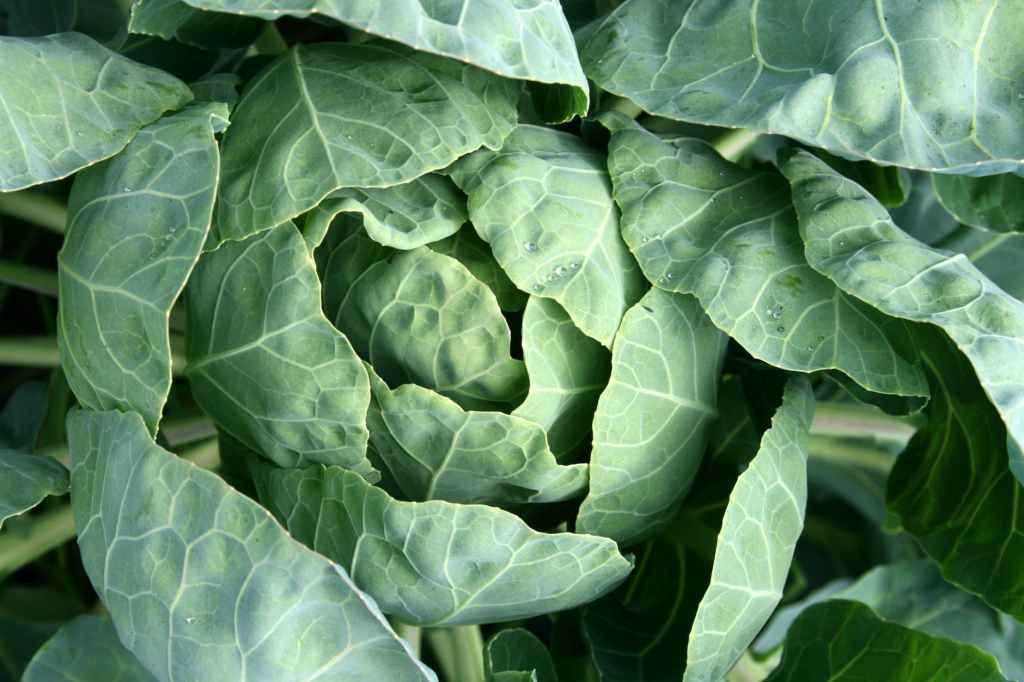
Do you like cabbage? Yes I do. In my thought, cabbage is a king of vegetables. It offers various benefits for our bodies. And it may help to prevent several serious diseases and improve health conditions. The potential benefits of cabbages are below.
Gut health
The most common use of consuming cabbages is for digesitve health. Cabbage contains high amount of vit C and K, Mg, folate, antioxidants (choline, beta-carotene, lutein, zeaxanthin), flavonoid. Fiber-rich in cabbage support the gut, promoting the movement of bowel muscles, which leads to preventing constipation. Cabbage could help gut microbiota play a crucial role in bowel health. Red cabbage juice regulates immune cells like T-reg and IL-10 (1). Through this mechanism, cabbage juice improves colonic inflammation by modulating the gut microbiota. There is another study of cabbage and plum. Carotenoids and polyphenols in cabbage are very associated with anti-inflammatory properties. This anti-inflammotry work is accompanied by decreased NF-kB expressions Nrf2 translocation to the nucleus (2). Cabbage is effective in intestinal inflammation.
Stomach health
Cruciferous vegetables like cabbage are consumed for the stomach. The reason why I love this cabbage is right here. Cabbages’ vitamin U, referring to an ulcer, literally protects the stomach from gastritis and heartburn and helps gastric mucosal repair. Gastritis is more likely to progress to cancer; therefore, we need to manage this inflammation through dietary habits. In a study of Korean gastritis patients, the result showed that cabbages can relieve acute gastritis by regulating not only the surface cells of the stomach mucosal mucin but also gene levels related to mucosal cell activity (3). Vitamin U has a powerful action on gastrointestinal functions. Vitamin U in cabbage is recommended for treating chronic gastritis, ulcerative colitis, and peptic ulcers.
Diabetes
Cabbage, like any other good vegetable, has a low glycemic index, and may stabilize blood sugar levels. This vegetable is low in calories and packed with fiber. Rich fiber in cabbage slows down the absorption of sugar into our bodies. This lowering blood sugar effect is helpful to diabetics.
As a healthy snack and side menu, cabbages help to reduce blood sugar spikes. When cabbage is tried before a meal, the dietary fiber sticks to the mucous membrane of the stomach to slow absorption and prevent blood sugar from rising rapidly. Eating about 100g of cabbage 10 minutes before every meal is better. And by making us feel full, expanded dietary fiber in the gut reminds us to stop eating.
Some scientific evidence shows that cabbage has multi-target effects on glucose homeostatic regulation due to its high content of bioactive compounds (4). It also increases an individual’s weight loss to help with diabetes.
For these potential benefits, there are many people eating cabbage every day. However, there are some problems eating cabbages right down below, and let’s take a look.
The most concerning thing is food-drug interaction with warfarin or aspirin. It could be dangerous to people who take these drugs. Warfarin and aspirin have been used most commonly for anticoagulant drugs and blood-thinning drugs. And dark leafy green vegetable like cabbage, broccoli and spinach has vitamin K in rich amount. However, it is assumed that vitamin K and warfarin interaction exists, and we think that a dietary vitamin K may interact and bother stable coagulation of blood. To avoid this potential interference, cabbage rich in vitamin K consumption should be monitored if you are in serious disease and must take drugs like warfarin. There is sufficient data to suggest that a constant dietary intake of vitamin K that meets current dietary recommendations of 65–80 μg/day is the most acceptable practice for patients on warfarin therapy (5). Or if you have already been prescribed vitamin K for controlling blood pressure and preventing cardiovascular disease, excessive intake of cabbage should be avoided, too.
There might be a problem in the gut. Cabbage is easily digestive in the intestine and produces gas a lot. Those who have a healthy and well-working intestine don’t have an issue with this. But, if you have a sensitive intestine or problems with IBS and diarrhea, be aware of eating cabbages.
People have thyroid diseases, especially hypothyroidism when the thyroid gland doesn’t make enough thyroid hormones to meet your body’s needs. Cruciferous vegetables, including cabbage, are rich in glucosinolate. Glucosinolate decomposed into certain substances, iodine absorption in the thyroid gland may decrease. When the thyroid gland lacks iodine, it cannot produce thyroid hormone, and as it grows in size, thyroid gland is formed. Goitrogen is a substance that makes the thyroid gland bloated. Cabbage also produces goitrogen during digestion. People with hypothyroidism should avoid cabbage food. However, when cabbage is steamed, its levels decrease by two-thirds. And in boiling water for 30 minutes, it disappears by more than 90%. As long as it’s not raw cabbage, it doesn’t matter.
References
1) Emily Jean Wilson, Nagabhishek Sirpu Natesh, Parsa Ghadermazi, Ramesh Pothuraju, Marudhupandiyan Shanmugam, Dipakkumar R. Prajapati, Sanjit Pandey, Jussuf T. Kaifi, John R. Dodam, Jeffrey Bryan, Christian L. Lorson, Aude A. Watrelot, Jason M. Foster, Thomas J. Mansel, Siu Hung Joshua Chan, Surinder K. Batra, Jeyamkondan Subbiah, Satyanarayana Rachagani. Red cabbage juice-mediated gut microbiota modulation improves intestinal epithelial homeostasis and ameliorates colitis. bioRxiv, 2023. ASAP
2) Anouk Kaulmann, Sylvain Legay, Yves-Jacques Schneider, Lucien Hoffmann, Torsten Bohn. Inflammation related responses of intestinal cells to plum and cabbage digesta with differential carotenoid and polyphenol profiles following simulated gastrointestinal digestion. Mole. Nutrition Food Research. Volume60, Issue5, May 2016, Pages 992-1005
3) Park, Yang-Gyu (HUVET Co., Ltd.) ; Cho, Jeong-Hwi (HUVET Co., Ltd.) ; Choi, Jinyoung (HUVET Co., Ltd.) ; Kim, Youngpil (HUVET Co., Ltd.) ; Lee, Sang-yeob (HUVET Co., Ltd.) ; Park, Ju-Hun (Corporate Technology Office, Pulmuone Co., Ltd.) ; Oh, Hong-Geun (HUVET Co., Ltd.). Protective Effect of Fermented Brassica Puree on HCl/Ethanol-Induced Acute Gastritis via Prevention of Gastric Mucosal Injury. The Korean Journal of Food And Nutrition. Volume 34 Issue 5 / Pages.468-476 / 2021 / 1225-4339(pISSN) / 2287-4992(eISSN)
4) Jonatan Jafet Uuh-Narvaez, Maira Rubí Segura-Campos. Cabbage (Brassica oleracea var. capitata): A food with functional properties aimed to type 2 diabetes prevention and management. Journal of Food Science. Volume86, Issue11, November 2021, Pages 4775-4798.
5) Sarah L. Booth, Ph D, Maria A. Centurelli, Pharm. D. Vitamin K: a Practical Guide to the Dietary Management of Patients on Warfarin. Nutrition Reviews, Volume 57, Issue 9, September 1999, Pages 288–296,
6) 오징어약사. 와파린과 같은 혈전제, 장이 예민한 사람, 갑상선기능저하증은 증상 악화가 될수 있어 많이 먹으면 안된다. 오징어약사TV
7) 정라레. 양배추가 독이 되는 경우 3가지. 양배추 부작용 꼭 확인하세요! 양배추즙, 양배추환 먹으면 안되는 사람.

 쪼약 조수진
댓글 남기기